
Mountains Hazards
At Mountains & Beyond, we place paramount importance on client safety amid the inherent hazards of mountain environments. We want our clients to have unforgettable adventures while staying safe and well-informed about potential mountain hazards. The breathtaking beauty of mountain landscapes comes with unique challenges and risks that need to be understood and respected.
Altitude Sickness
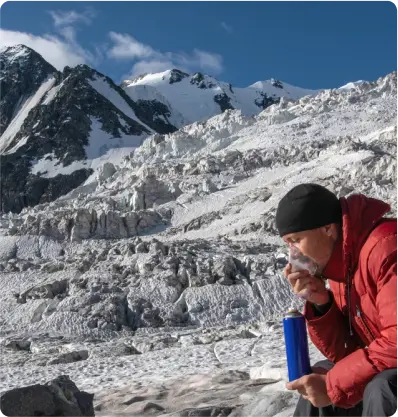
High altitudes bring reduced oxygen levels, causing symptoms like nausea and headaches, challenging a mountaineer's physical adaptability and resilience. Coping with reduced oxygen levels at high altitudes requires acclimatization and careful monitoring to prevent altitude sickness, high-altitude cerebral edema (HACE), and high-altitude pulmonary edema (HAPE), which can compromise a mountaineer’s well-being. To tackle this, climbers prioritize gradual acclimatization, ensuring their bodies adjust to the lower oxygen levels. Hydration and strategic rest breaks also play crucial roles in symptom alleviation and overall well-being during ascent.
Extreme Weather Conditions
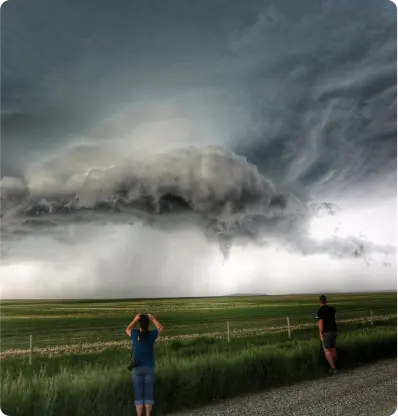
Unpredictable mountain weather, with sudden storms and biting cold, demands constant vigilance and quick decision-making to ensure the safety of mountaineers exposed to the elements. To navigate this challenge, climbers closely monitor weather forecasts, make prompt decisions based on conditions, and seek shelter when necessary to mitigate the risks associated with
extreme weather.
Avalanches
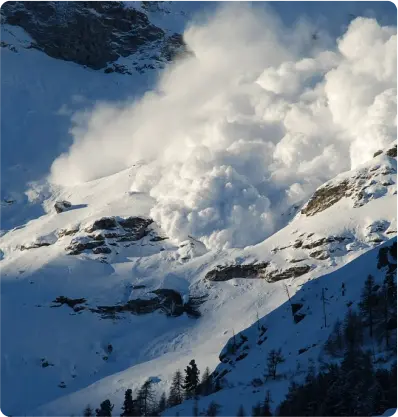
The looming threat of avalanches underscores the importance of meticulous route planning and cautious navigation through snow-laden terrains, as even a minor disturbance can trigger a cascading and potentially deadly snowslide. Climbers mitigate this risk through rigorous training in snow safety, utilizing avalanche beacons, and avoiding high-risk areas prone to avalanches.
Steep Terrain and Falls
Facing the constant peril of falling rocks or chunks of ice, mountaineers must wear protective helmets and tread carefully to mitigate the risk of injury from unstable and unpredictable mountain terrain. In addition, navigating glaciers requires acute awareness of hidden crevasses; a single misstep could lead to a mountaineer falling into a deep crevasse, emphasizing the need for secure ropework and cautious travel. To address this hazard, climbers adopt careful glacier navigation techniques, use secure ropework, and identify safe routes to ensure their safety.
Equipment Failure
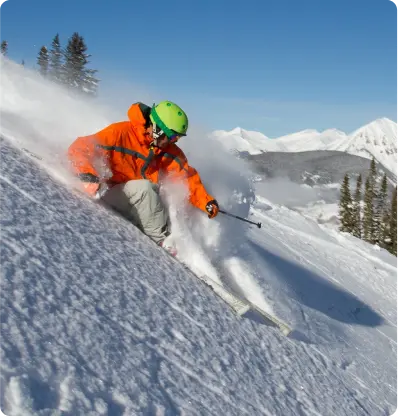
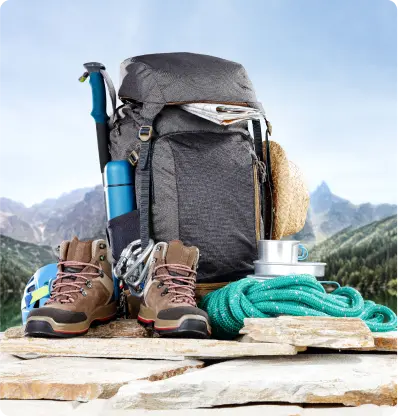
Mountaineers must place unwavering trust in their gear, making equipment failure a significant hazard that can compromise safety, emphasizing the importance of regular inspections and redundancy in critical systems. Rigorous equipment checks, carrying backup gear, and acquiring basic repair skills enhance reliability and safety in the event of equipment failure.
Poor Route Finding
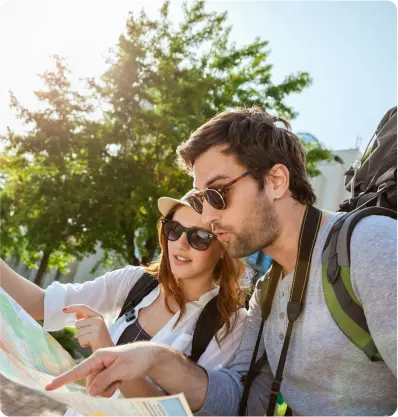
Choosing an unsafe path or getting lost in the challenging topography can lead
to increased exposure to hazards, highlighting the crucial role of navigational skills and pre-trip
planning in a mountaineer’s decision-making. Navigational skills, map study, and the use of
technology like GPS devices empower climbers to select safe routes, minimizing risks associated with
poor route finding.
Dehydration
Battling both physical exertion and dry mountain air, mountaineers must stay vigilant against dehydration, emphasizing the importance of hydration strategies to maintain peak performance in challenging environments. Regular hydration, balanced with rest and nutrition, helps climbers manage dehydration risks and maintain optimal performance.

Wildlife Encounters
Encounters with wildlife, such as bears or snakes, add an additional layer of risk to the mountaineering experience, requiring a balance between appreciation for nature and cautious coexistence in these remote habitats. Wildlife awareness, respectful behavior, and proper food storage techniques contribute to minimizing the risk of wildlife encounters during mountain expeditions.

Lack of Communication
Limited communication options in remote mountain regions heighten the importance of contingency plans and emergency procedures, underlining the need for self-reliance and resilience in the face of unforeseen challenges.

Visa Procedure
Depending on the country of expedition, the procedural steps below should help you navigate through your visa procedure.

Determine the type of Visa

Complete the Visa Application

Visa Interview Appointment
Frequently Ask Questions
At Mountains & Beyond, we want our travelers to have unforgettable adventures while staying safe and well-informed about potential mountain hazards. The breathtaking beauty of mountain landscapes comes with unique challenges and risks that need to be understood and respected.
We offer a range of services, including guided climbs and mountaineering expeditions ranging from beginner to advanced level. We also organize customized trips tailored to your skill level and preferences.
Yes, Saad and Sirbaz will be personally guiding on most trekking and climbing expeditions, individually or collectively. In their absence, you will also be supported by their carefully picked guides who have years of experience and have successfully led tons of clients on their adventure journeys.
The physical requirements vary depending on the trip. We offer a range of adventures suitable for various fitness levels. Please see the ‘Difficulty level’ mentioned for each trek. It’s important to review trek details and speak with our team to ensure you choose a trip that matches your fitness level and goals.
Booking is easy! Simply choose your desired trek or expedition on our website and follow the booking instructions. You can also simply write to us at teamsaadmunawar@gmail.com and our team will get back to you in 1-3 working days.
The expedition cost usually includes domestic travel, 2 nights’ accommodation in the city before and after the trek (1 night upon arrival and 1 night upon departure), domestic flights, the administrative cost for obtaining NOC from the local government, accommodation and food during the trek, services of professional guides and team leaders, expedition doctors, expedition photographer, porters, wages for guide, cook, kitchen crew, porters, etc, all tolls, environmental fee, etc. For a detailed overview, please check the Cost Includes and Cost Excludes sections for each expedition.
Safety is paramount, and we monitor weather conditions closely. In the event of unfavorable weather or unforeseen circumstances, we have contingency plans in place to ensure the safety and well-being of participants. Trips may be scheduled or modified as needed.
Our cancellation and refund policy is outlined in the terms and conditions provided upon booking. We understand that circumstances may change, and we strive to work with our clients to find fair and reasonable solutions.
No prior experience is necessary for Beginner level expeditions and treks. We also organize customized luxury tours for our clients who do not want to engage in extensive treks. However, for treks and climbs, our experienced guides will assess your prior experience and skill level through a comprehensive form so that they can tailor their experience for you accordingly.
We provide essential gear for our trips, but participants are encouraged to bring personal items such as appropriate clothing, footwear, and accessories. Please see the dedicated gear list tab for each trek and climb or refer to the ‘Useful Information’ page. A detailed list will also be provided upon booking, and our team is available to help with any questions.
Safety is our top priority. On most of our expeditions, the teams are accompanied by an expedition doctor to provide immediate care to the team members. Our guides also conduct thorough safety briefings, carry first aid kits, and are trained in emergency response. We also adhere to industry standards and use top-quality equipment to ensure a secure and enjoyable experience.
Depending upon your nationality, you may or may not need a visa to travel to the country of expedition. Please check our ‘Useful Information’ page for detailed information on visa requirements.
Our trips cater to both solo travelers and groups. Whether you’re an individual seeking a personal challenge or part of a group looking for a unique adventure, we can accommodate your needs.